Rosewater Panna Cotta
Highlighted under: Simply Sweet Bakes
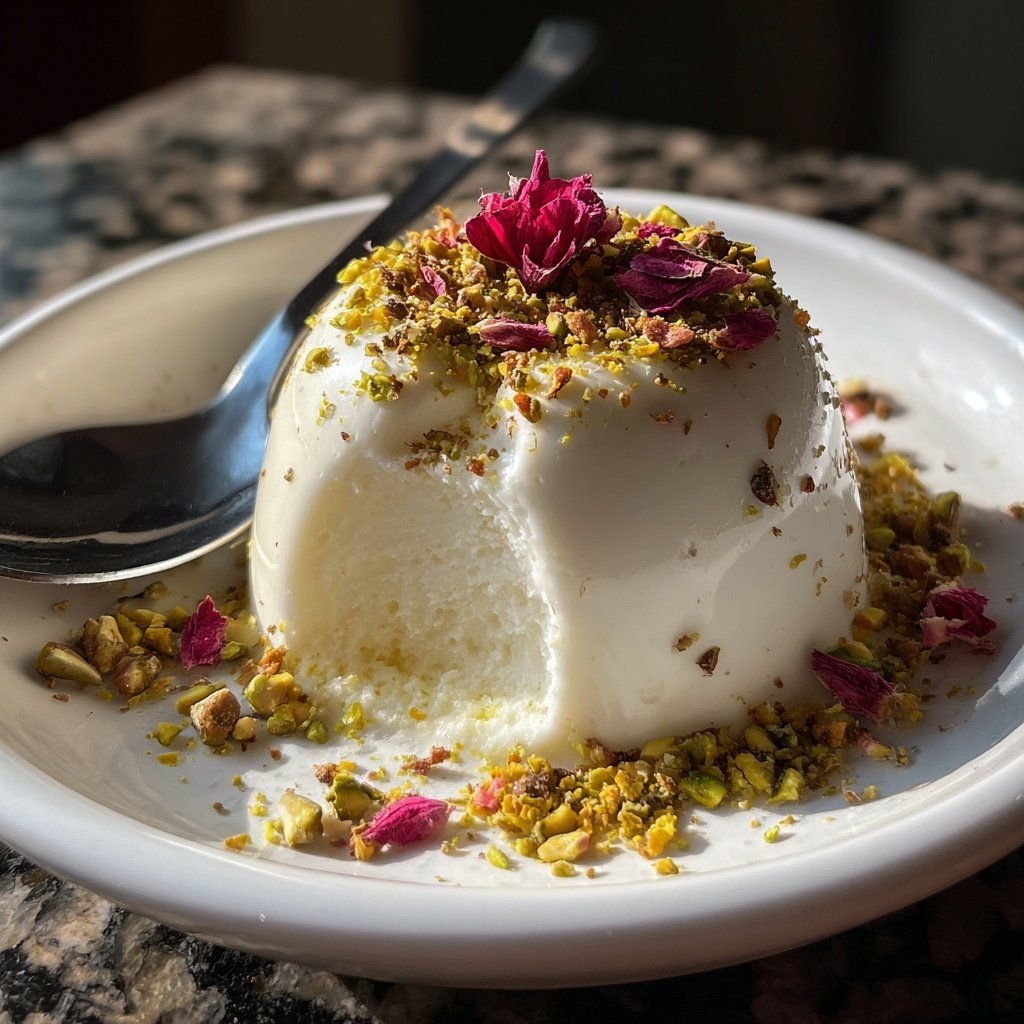
I absolutely love making Rosewater Panna Cotta as it brings an exotic twist to a classic Italian dessert. The delicate floral flavors combine beautifully with the creamy texture, creating a dessert that's both refreshing and indulgent. When experimenting with this dish, I discovered that allowing the panna cotta to chill for a full 4 hours—or overnight—enhances the taste and ensures a perfect set. Pair it with pistachios for an added crunch, and you'll have a showstopper on your hands for any occasion.
When I first tried my hand at making Panna Cotta, I was taken by how simple it was yet so elegant. Adding rosewater was a stroke of genius that transformed this dessert into something truly special. After several tries, I learned that balancing the rosewater flavor is crucial; too much can overpower the dish, while too little leaves it bland. I like to start with a small amount and increase it gradually, tasting along the way to find that perfect harmony.
Once, I had guests over, and this dessert was a hit. They couldn't believe how easy it was to prepare! I served it with a raspberry coulis, which added a delightful tartness and vibrant color, making the presentation stunning. The key to achieving the smooth texture is to strain the mixture twice, so I always keep a fine mesh sieve handy for this step. Trust me, your guests will be asking for seconds.
Why You'll Love This Recipe
- Delicate floral notes that transport you to a garden paradise
- Creamy and silky texture that delights the palate
- Easy to make but impressive enough for any gathering
Understanding the Gelatin
Using gelatin is crucial to achieve the perfect panna cotta texture. The task of softening the gelatin must be approached with care. If it's left to soak too long, it could become overly softened and lose its gelling power, resulting in a runny consistency. Ideally, the gelatin should be soaked for about 5 minutes and then gently squeezed to remove excess water before adding it to your warm mixture.
Keep in mind that gelatin sheets vary in strength, so the number of sheets you use may need to be adjusted depending on the brand. If you're using powdered gelatin instead, approximately 1 tablespoon will suffice. Just be sure to follow the packaging instructions for blooming and mixing to achieve the right consistency.
Perfecting the Cream Mixture
When heating the cream, it's essential to do so over medium heat to avoid scalding. You’ll want to gently stir the mixture until the sugar is completely dissolved and the cream is steaming but not boiling. A gentle heat prevents the cream from developing a thick skin or altering the flavor with a faint burnt taste, keeping the final panna cotta creamy and flavorful.
Take care to avoid letting the cream boil, as this can lead to a grainy texture once cooled. Instead, watch for small bubbles forming around the edges, which indicates it’s ready for the next step. Once you've removed it from the heat, allowing the mixture to cool slightly before adding the gelatin and rosewater will ensure that the gelatin integrates seamlessly without risking it setting prematurely.
Serving and Storing Tips
Serving your panna cotta in decorative glasses not only enhances its visual appeal but also simplifies the unmolding process. However, if you choose to unmold it, dipping the molds briefly in warm water can help loosen them without compromising the shape. It's a handy technique to avoid a potential disaster where the panna cotta crumbles instead of gracefully releasing.
If you plan to make the panna cotta in advance, it can be stored for up to three days in the refrigerator. Just cover it tightly with plastic wrap to prevent any flavors from being absorbed from the fridge. Unfortunately, panna cotta does not freeze well due to its creamy base, which can separate upon thawing, resulting in an undesirable texture.
Ingredients
Gather these ingredients to make your Rosewater Panna Cotta:
Ingredients
- 2 cups heavy cream
- 1/2 cup sugar
- 1 tablespoon rosewater
- 2 gelatin sheets
- 1 teaspoon vanilla extract
- Pinch of salt
That's all you'll need for this delightful dessert!
Instructions
Follow these steps to create your Rosewater Panna Cotta:
Soak the Gelatin
In a small bowl, soak the gelatin sheets in cold water for about 5 minutes until softened, then drain and set aside.
Heat the Cream
In a saucepan, combine the heavy cream, sugar, vanilla extract, and a pinch of salt over medium heat. Stir until the sugar is completely dissolved.
Add Gelatin and Rosewater
Remove the saucepan from heat. Add the softened gelatin and rosewater, whisking until the gelatin is fully dissolved. Allow the mixture to cool slightly.
Pour into Molds
Pour the mixture into individual molds or serving glasses. Cover with plastic wrap and refrigerate for at least 4 hours or until set.
Serve and Enjoy
To serve, gently unmold the panna cotta onto a plate or serve it directly in the glasses. Garnish with chopped pistachios or berries if desired.
Enjoy your beautifully crafted Rosewater Panna Cotta!
Pro Tips
- For an extra pop of flavor, consider pairing your panna cotta with a fruit coulis or fresh berries. You can also adjust the amount of rosewater to your taste, ensuring your panna cotta reflects your personal preference.
Flavor Enhancements and Variations
While the rosewater adds a unique floral note, experimenting with other flavors can take this panna cotta to new heights. Consider incorporating orange blossom water or a hint of cardamom for an aromatic twist. You could also infuse the cream with herbs like lavender or mint before adding the gelatin, resulting in a surprising flavor profile that complements the floral theme.
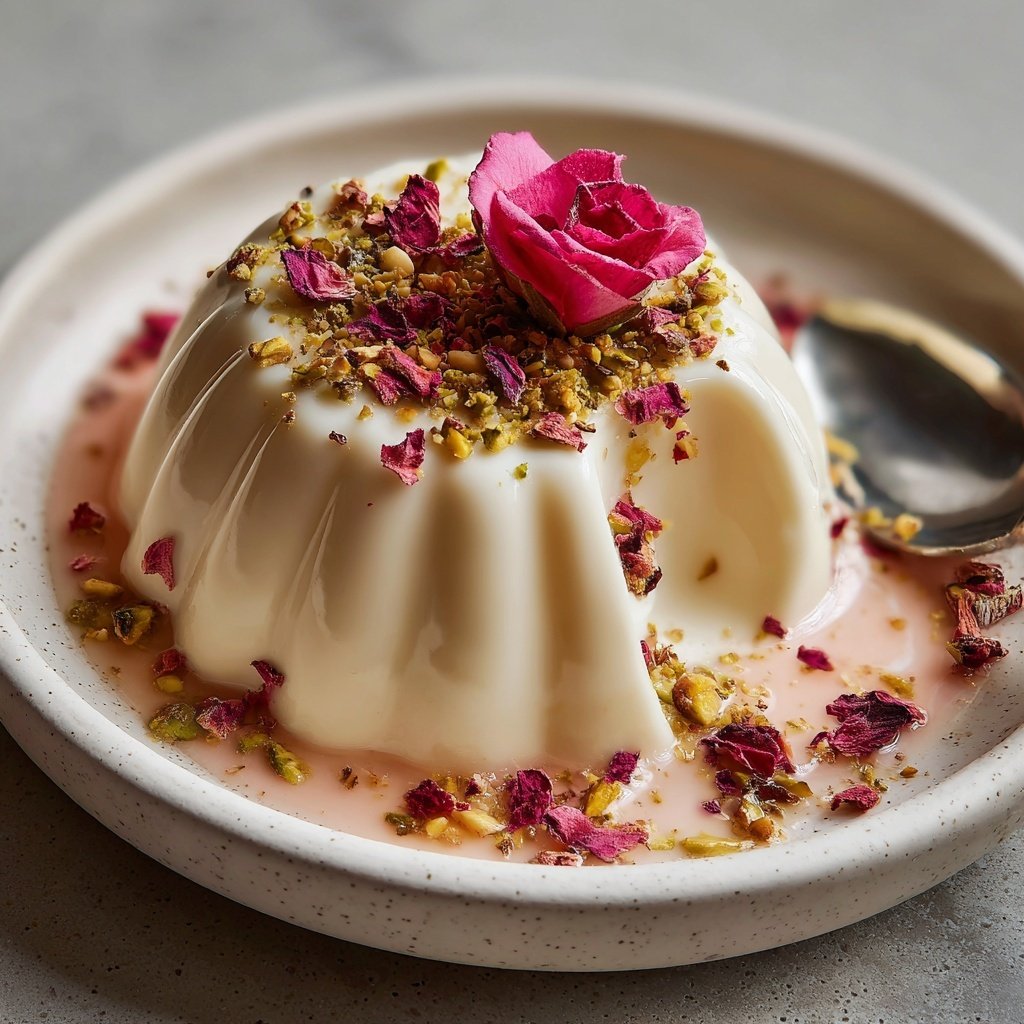
Garnishes also play a significant role in elevating this dish. Beyond pistachios, try using fresh berries to add a burst of freshness, or sprinkle some edible flowers to enhance the visual appeal. Drizzling a light syrup made from rosewater and sugar over the top just before serving can provide an extra moisture boost and amplify the floral taste.
Troubleshooting Common Issues
If your panna cotta doesn’t set properly, it's often due to insufficient gelatin or incorrect temperatures during preparation. Ensure your gelatin is fully dissolved before cooling the mixture. If you're using alternate gelling agents, such as agar-agar for a vegetarian option, be aware that they require different handling techniques and quantities for setting. Agar-agar, for example, needs to be boiled to activate its gelling properties properly.
Another issue might arise with the texture; if your pudding turns out grainy, it could result from overheating the cream or not dissolving the sugar entirely. Always ensure to heat gradually and stir consistently. If you anticipate encountering any of these issues, carefully monitoring your steps and following the specific guidelines in this recipe will help prevent mishaps.
Questions About Recipes
→ Can I use powdered gelatin instead of gelatin sheets?
Yes, you can use powdered gelatin. Generally, 1 tablespoon of powdered gelatin is equivalent to 3 sheets, so adjust accordingly.
→ How do I know when the panna cotta is set?
The panna cotta should be firm to the touch but still slightly jiggles in the center. It typically takes about 4 hours to set completely.
→ Can I make this ahead of time?
Absolutely! You can make it up to 2 days in advance and keep it stored in the refrigerator until you're ready to serve.
→ What should I serve with panna cotta?
Panna cotta pairs wonderfully with fruit coulis, fresh berries, or even a sprinkle of chopped nuts for added texture and flavor.
Rosewater Panna Cotta
Created by: Marley Quinn
Recipe Type: Simply Sweet Bakes
Skill Level: Intermediate
Final Quantity: 4 servings
What You'll Need
Ingredients
- 2 cups heavy cream
- 1/2 cup sugar
- 1 tablespoon rosewater
- 2 gelatin sheets
- 1 teaspoon vanilla extract
- Pinch of salt
How-To Steps
In a small bowl, soak the gelatin sheets in cold water for about 5 minutes until softened, then drain and set aside.
In a saucepan, combine the heavy cream, sugar, vanilla extract, and a pinch of salt over medium heat. Stir until the sugar is completely dissolved.
Remove the saucepan from heat. Add the softened gelatin and rosewater, whisking until the gelatin is fully dissolved. Allow the mixture to cool slightly.
Pour the mixture into individual molds or serving glasses. Cover with plastic wrap and refrigerate for at least 4 hours or until set.
To serve, gently unmold the panna cotta onto a plate or serve it directly in the glasses. Garnish with chopped pistachios or berries if desired.
Extra Tips
- For an extra pop of flavor, consider pairing your panna cotta with a fruit coulis or fresh berries. You can also adjust the amount of rosewater to your taste, ensuring your panna cotta reflects your personal preference.
Nutritional Breakdown (Per Serving)
- Calories: 290 kcal
- Total Fat: 24g
- Saturated Fat: 15g
- Cholesterol: 80mg
- Sodium: 50mg
- Total Carbohydrates: 20g
- Dietary Fiber: 0g
- Sugars: 19g
- Protein: 3g