Buttery Croissant Recipes At Home
Highlighted under: Simply Sweet Bakes
I can’t tell you how much I adore homemade buttery croissants! The delicate layers of flaky pastry and the rich, buttery flavor make them irresistible. After countless trials, I’ve perfected a method that not only simplifies the process but also guarantees a delicious result. These croissants are perfect for breakfast or an afternoon treat paired with your favorite jam. Trust me, once you bite into a warm, freshly baked croissant, you’ll understand why making them at home is worth every minute spent in the kitchen.
When I first decided to tackle croissants at home, I was intimidated. I watched endless videos and read numerous recipes, but nothing truly clicked until I experimented with different butter temperatures and dough resting times. The magic happens when the cold butter hits the warm dough, creating those beautiful flaky layers.
I found that letting the dough chill between folds allows the gluten to relax, making it easier to roll out, while the rest period helps to achieve that airy rise in the oven. The result is a batch of croissants that have the perfect balance of flakiness and tenderness.
Why You Will Love This Recipe
- A perfect blend of crispy edges and soft, buttery interior
- Homemade aroma fills your kitchen, creating a cozy atmosphere
- You can customize fillings, from chocolate to almond paste
The Science of Layering
Creating the flaky layers in croissants relies heavily on the lamination process, which is why it’s vital to keep your butter and dough cold. This prevents the butter from melting into the dough, allowing it to create distinct layers during baking. When you roll the dough, aim for a consistent thickness of about 1/4 inch for even results. If the butter starts to ooze out or the dough feels sticky, refrigerate it for 15-20 minutes before continuing.
Each fold in the lamination process builds on the last, so don’t rush this step. The typical rule is to perform three folds, allowing the dough to chill in between. This not only strengthens the dough structure but also enhances the final texture, yielding a croissant that is airy yet rich. When you finally bake them, you’ll be amazed at the contrasting crunch of the crust against the soft buttery interior.
Customizing Your Croissants
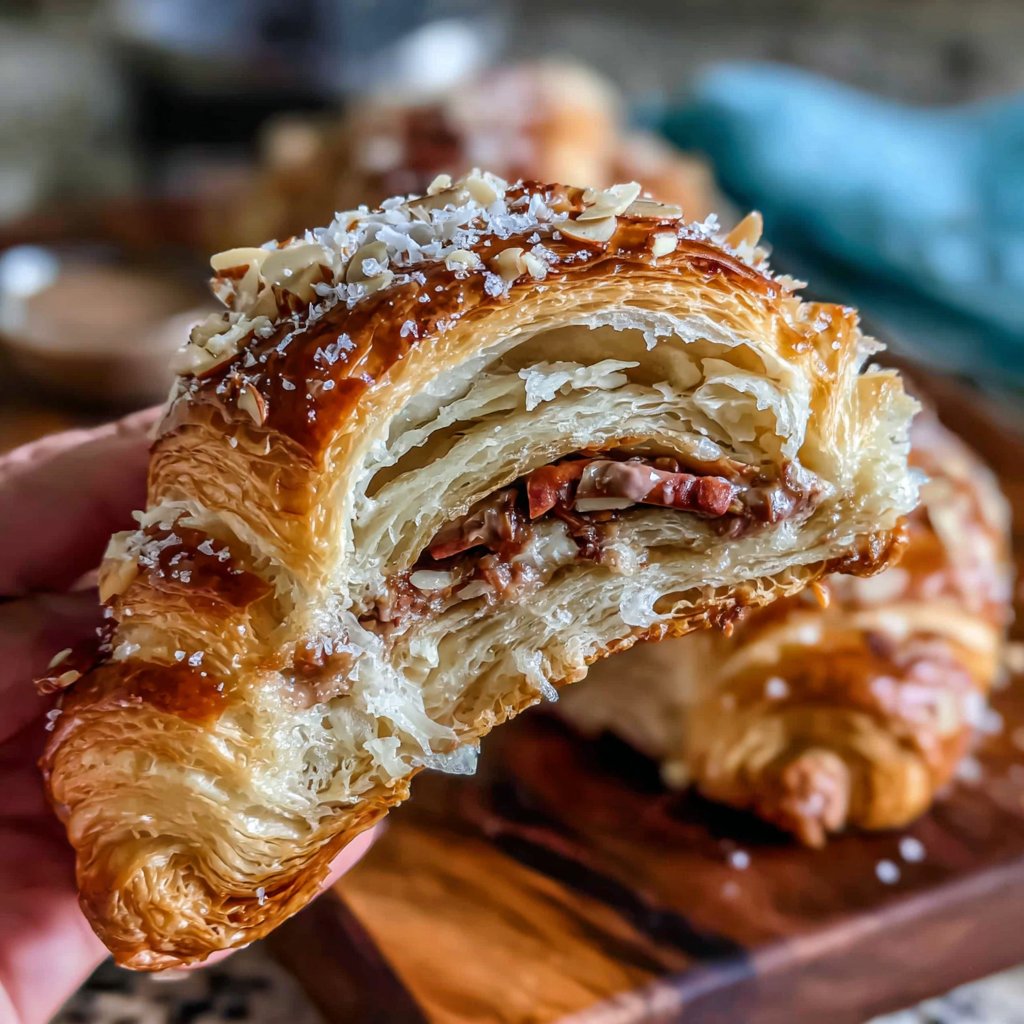
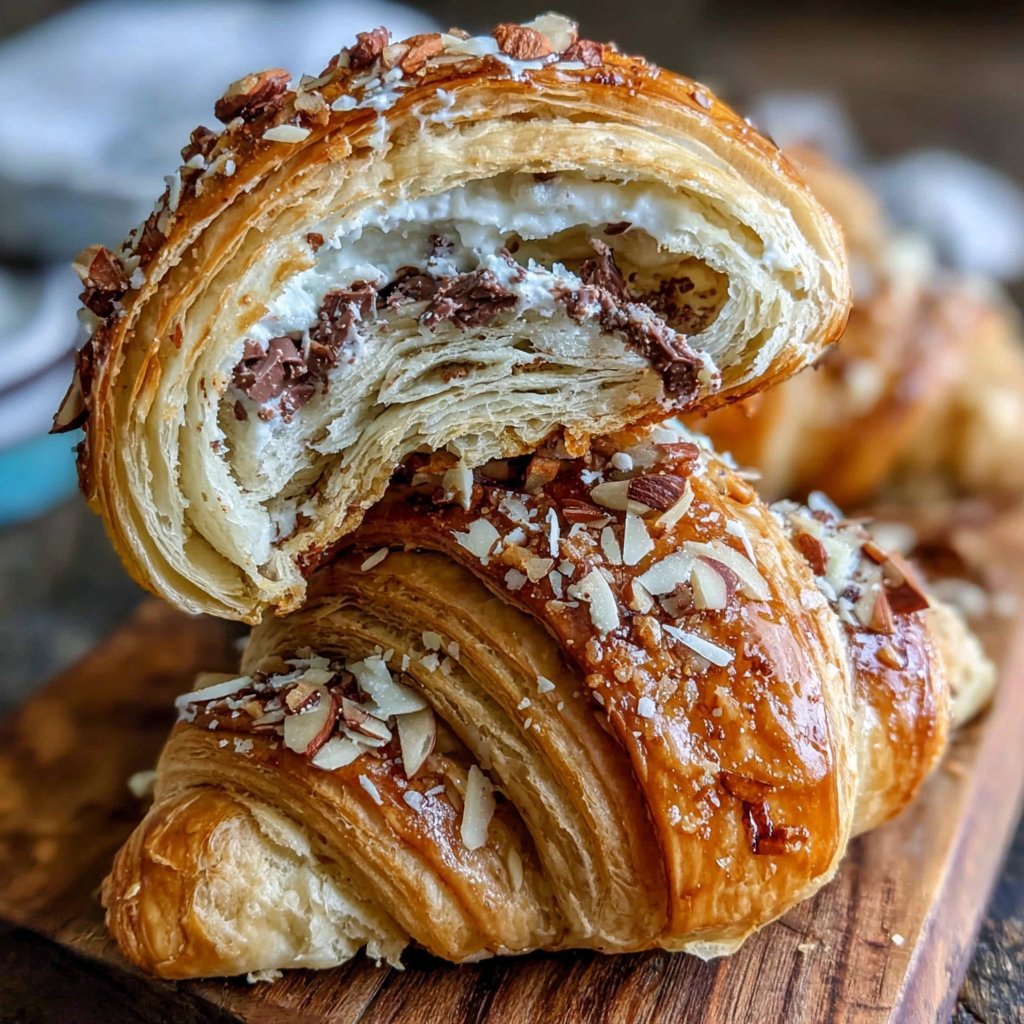
While the classic buttery croissant is delightful on its own, don’t hesitate to experiment with fillings! Chocolate chips, almond paste, or even a sprinkle of cheese can elevate your croissants to new heights. If incorporating fillings, place them in the center of the triangle before rolling, and be careful not to overstuff, as this can disrupt shaping and rising. A decent tablespoon of filling is sufficient for each croissant.
Another fun variation is to infuse your dough with flavors. Try adding a teaspoon of vanilla extract or finely grated citrus zest to the milk for a hint of brightness. This small tweak can turn a regular croissant into a delightful treat, perfect for pairing with coffee or tea. My personal favorite is a hint of almond extract when baking for special occasions; it brings an unexpected warmth that’s simply irresistible.
Make-Ahead Tips
If you’re planning to enjoy freshly baked croissants without the extensive morning prep, consider making the dough a day ahead. After shaping the croissants, instead of letting them proof at room temperature, cover them tightly with plastic wrap and refrigerate overnight. They’ll continue to rise slowly in the fridge, and when you’re ready to bake, simply let them sit at room temperature for about 30 minutes before applying the egg wash and baking.
You can also freeze the croissants before baking. Once shaped, place them on a baking sheet lined with parchment paper and freeze them until solid. Then transfer to a sealed bag or container for longer storage. When you're ready to bake, there’s no need to defrost them; just add an extra 5-10 minutes to the bake time. This way, you can have the fresh-baked experience anytime you crave a warm croissant!
Ingredients
Gather your ingredients and prepare for a delightful baking experience!
Dough Ingredients
- 4 cups all-purpose flour
- 2 teaspoons salt
- 2 tablespoons sugar
- 1 tablespoon instant yeast
- 1 ½ cups cold unsalted butter
- 1 ½ cups cold milk
- 1 egg (for egg wash)
Make sure everything is chilled for the best results!
Instructions
Follow these steps closely for perfectly flaky croissants.
Prepare the Dough
In a large bowl, combine flour, salt, sugar, and yeast. Mix well and gradually add cold milk until a soft dough forms. Knead lightly and refrigerate for 1 hour.
Incorporate the Butter
Wrap the cold butter in parchment paper and beat it with a rolling pin until it's about ½ inch thick. Place the butter layer in the center of the dough and fold the dough over to encase it.
Laminate the Dough
Roll the dough out into a rectangle, then fold it into thirds (like a letter). Wrap in plastic wrap and chill for 30 minutes. Repeat this rolling and folding process two more times.
Shape the Croissants
Roll out the dough into a large rectangle and cut it into triangles. Roll each triangle from the base towards the tip and shape into a crescent.
Proof the Croissants
Place shaped croissants on a baking tray lined with parchment paper and let them rise in a warm area for 1-2 hours until doubled in size.
Bake
Preheat your oven to 375°F (190°C). Brush croissants with egg wash and bake for 20-25 minutes until golden brown. Enjoy!
Allow croissants to cool slightly before serving for the best texture.
Pro Tips
- For an extra touch of flavor, consider adding fillings like almond paste or chocolate chips before rolling the croissants.
Troubleshooting Common Issues
If your croissants don't rise as expected, check that your instant yeast is fresh; expired yeast can be a common culprit. Also, ensure the dough was adequately mixed to develop gluten, which supports the structure. If your dough feels overly sticky during shaping, it might have warmed up too much; don’t hesitate to chill it before continuing. Lastly, proper proofing is essential; if the environment is too cold, the croissants may not rise sufficiently before baking.
Burnt edges can happen if your oven temperature is set too high or if you’re baking on a dark pan that absorbs heat unevenly. Try using a lighter-colored baking sheet or a silicone baking mat for even heat distribution. Adjusting the oven temperature by lowering it slightly can also help achieve that perfect golden-brown color without over-baking.
Serving Suggestions
Freshly baked croissants are delightful on their own but serve beautifully with a variety of toppings and accompaniments. A dollop of homemade jam or a spread of butter can enhance their rich, flaky nature. For a more indulgent experience, consider pairing them with whipped cream cheese or a dusting of powdered sugar.
These croissants make a fantastic addition to brunch spreads. Serve alongside fresh fruits, various cheeses, or even savory options like smoked salmon and capers for a more refined touch. The versatility of the croissant complements both sweet and savory themes, making it an elegant choice for any meal.
Questions About Recipes
→ Can I freeze croissant dough?
Yes, you can freeze the laminated dough. Just make sure to wrap it tightly in plastic wrap.
→ What type of butter should I use?
Use unsalted butter for better control over the flavor of your croissants.
→ Why is my dough not rising?
Ensure your yeast is fresh and the dough is kept in a warm environment for proofing.
→ Can I make mini croissants?
Definitely! Just cut smaller triangles and roll them up to form mini versions.
Buttery Croissant Recipes At Home
Created by: Marley Quinn
Recipe Type: Simply Sweet Bakes
Skill Level: Intermediate
Final Quantity: 12 croissants
What You'll Need
Dough Ingredients
- 4 cups all-purpose flour
- 2 teaspoons salt
- 2 tablespoons sugar
- 1 tablespoon instant yeast
- 1 ½ cups cold unsalted butter
- 1 ½ cups cold milk
- 1 egg (for egg wash)
How-To Steps
In a large bowl, combine flour, salt, sugar, and yeast. Mix well and gradually add cold milk until a soft dough forms. Knead lightly and refrigerate for 1 hour.
Wrap the cold butter in parchment paper and beat it with a rolling pin until it's about ½ inch thick. Place the butter layer in the center of the dough and fold the dough over to encase it.
Roll the dough out into a rectangle, then fold it into thirds (like a letter). Wrap in plastic wrap and chill for 30 minutes. Repeat this rolling and folding process two more times.
Roll out the dough into a large rectangle and cut it into triangles. Roll each triangle from the base towards the tip and shape into a crescent.
Place shaped croissants on a baking tray lined with parchment paper and let them rise in a warm area for 1-2 hours until doubled in size.
Preheat your oven to 375°F (190°C). Brush croissants with egg wash and bake for 20-25 minutes until golden brown. Enjoy!
Extra Tips
- For an extra touch of flavor, consider adding fillings like almond paste or chocolate chips before rolling the croissants.
Nutritional Breakdown (Per Serving)
- Calories: 300 kcal
- Total Fat: 18g
- Saturated Fat: 11g
- Cholesterol: 35mg
- Sodium: 200mg
- Total Carbohydrates: 30g
- Dietary Fiber: 1g
- Sugars: 1g
- Protein: 5g