Duck Breast with Fig and Red Wine
Highlighted under: International Home Classics
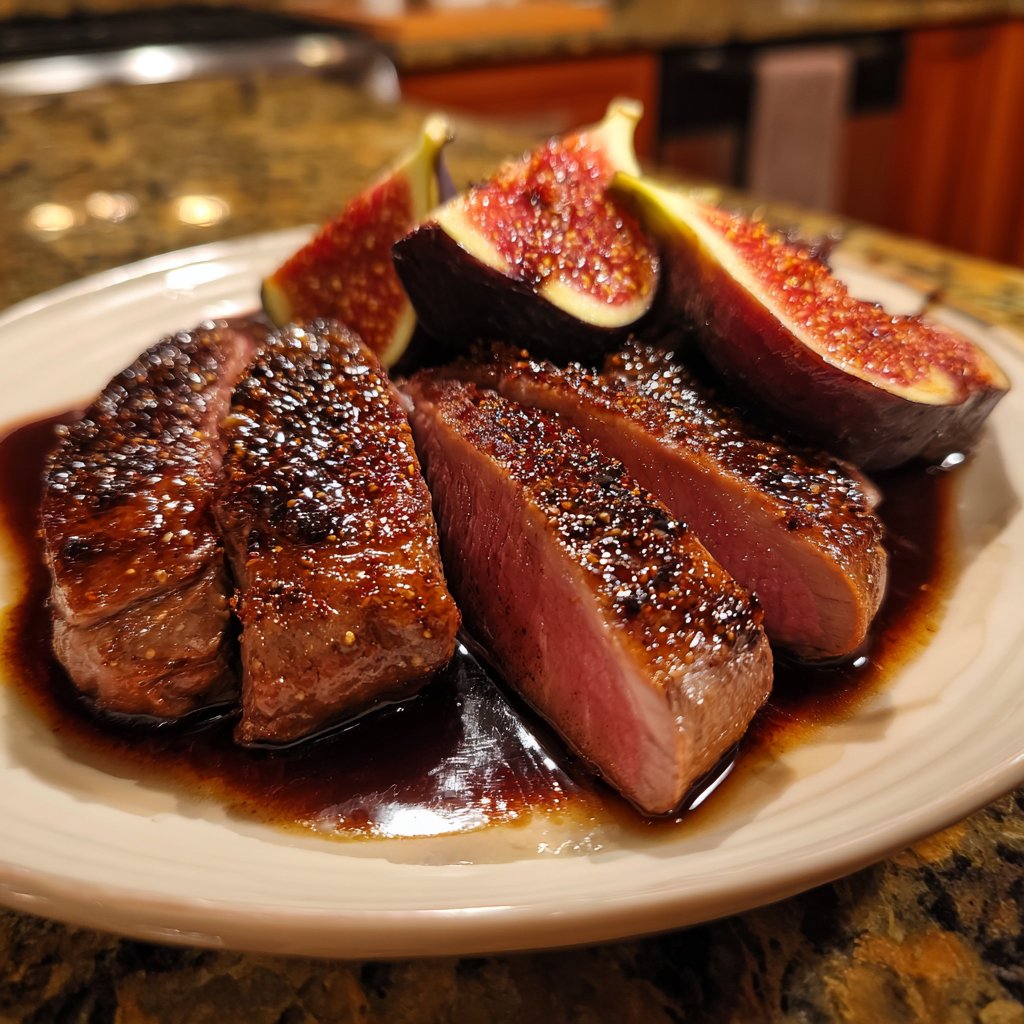
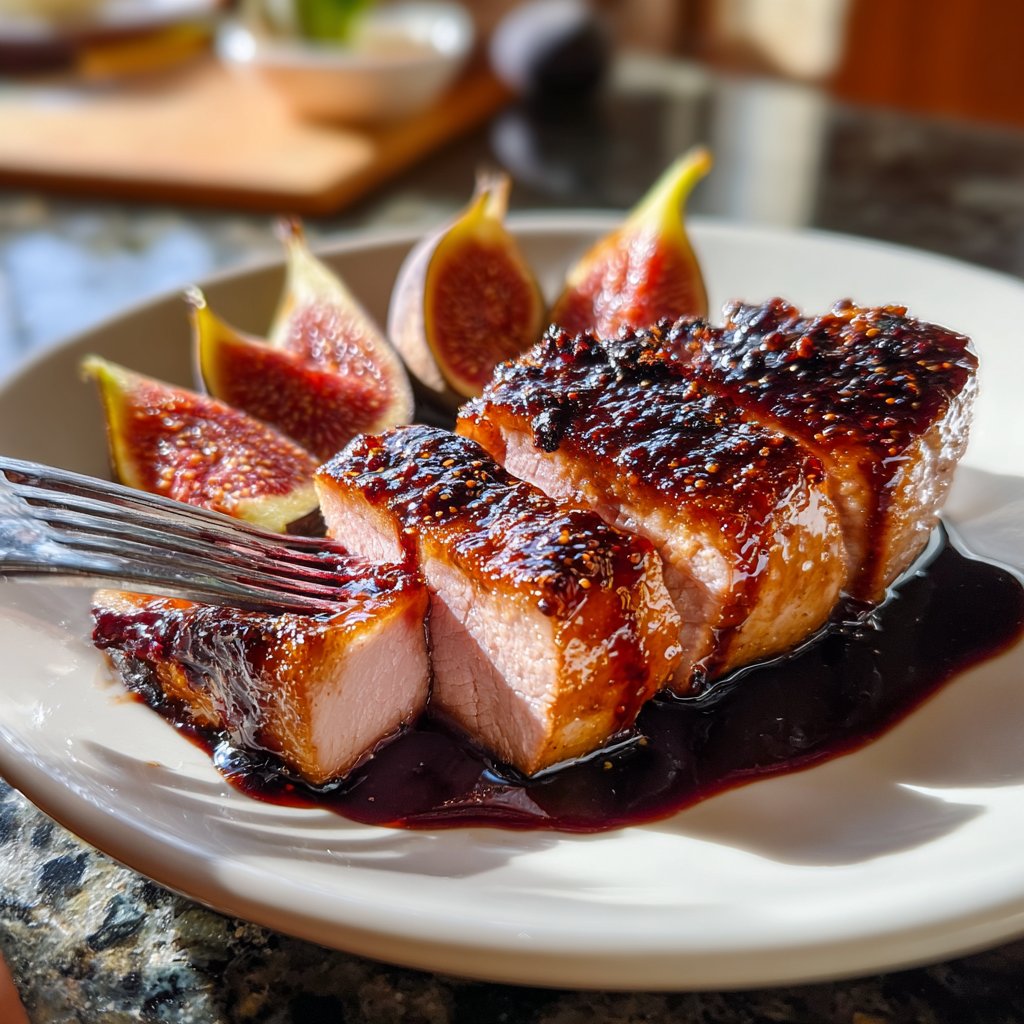
I love making Duck Breast with Fig and Red Wine for special occasions. The combination of the rich, flavorful duck paired with the sweetness of figs and the depth of red wine creates a dish that is both elegant and comforting. Cooking the duck skin-side down first allows it to become crispy, while the figs infuse the sauce with beautiful flavor. Serve it with a side of creamy polenta or roasted vegetables for a truly unforgettable meal that my guests can’t stop raving about.
When I first tried Duck Breast with Fig and Red Wine, I was taken aback by how the flavors melded together. I remember the first time I seared the duck; the crispy skin was a revelation! The sweet figs balanced the savory notes beautifully, and I was thrilled at how easy it was to create a restaurant-level dish at home.
One little tip I've discovered is to let the duck rest before slicing. This allows the juices to redistribute, making each bite juicy and flavorful. I usually finish the sauce with a touch of butter for extra richness; it truly elevates the dish!
Why You'll Love This Recipe
- The unique combination of savory duck with sweet figs creates a delightful taste experience.
- Rich red wine reduction adds depth and sophistication to the dish.
- Perfectly crispy skin adds textural contrast making each bite a joy.
Perfectly Cooking Duck Breast
Cooking duck breast requires attention to detail, particularly in rendering the fat for that perfect crispy skin. Start with a cold skillet, placing your duck breasts skin-side down. Gradually increase the heat to medium, allowing the fat to render slowly. This process should take around 6-8 minutes. If you notice the skin is browning too quickly, lower the heat to avoid burning while still achieving a golden, crispy exterior.
The resting phase after cooking is just as important as the actual cooking itself. Allowing the duck breasts to rest for about 5-10 minutes helps redistribute the juices, ensuring that every slice is tender and moist. When slicing, cut against the grain to enhance the tenderness of each bite. This technique is crucial to serve the most satisfying dish possible.
Enhancing the Fig and Red Wine Sauce
Figs bring not just sweetness, but also a beautiful texture to the sauce. When you cook them down with the red wine, they absorb all the flavors and soften wonderfully. Aim for fresh figs, as they offer the best flavor profile; however, if they're unavailable, dried figs can be rehydrated in warm water for about 30 minutes for a satisfactory alternative.
The red wine reduction is pivotal for depth of flavor. When simmering the wine, aim to reduce it until it's thickened and coats the back of a spoon, usually around 8-10 minutes. This concentration of flavors complements the duck beautifully. For a smoother sauce, you can strain it after adding the figs or simply leave it as is for a rustic presentation.
Ingredients
For the Duck
- 2 duck breasts
- Salt and pepper to taste
- 1 tablespoon olive oil
For the Sauce
- 1 cup red wine
- 1 cup fresh figs, halved
- 1/2 cup chicken stock
- 2 tablespoons honey
- 1 tablespoon butter
- Fresh thyme for garnish
Instructions
Steps
Prepare the Duck
Score the skin of the duck breasts in a diamond pattern, being careful not to cut into the meat. Season both sides generously with salt and pepper.
Sear the Duck
Heat a skillet over medium heat and add olive oil. Place the duck breasts skin-side down and cook for about 6-8 minutes until skin is crispy and golden. Flip and cook for an additional 4-5 minutes for medium-rare. Remove from skillet and let rest.
Make the Sauce
In the same skillet, drain excess fat, leaving about 1 tablespoon. Add red wine, scraping up any brown bits. Bring to a simmer and reduce by half. Add the figs, chicken stock, and honey, cooking until figs are softened.
Finish the Sauce
Remove from heat and swirl in the butter for a glossy finish. Slice the duck and serve with the fig sauce drizzled on top, garnished with fresh thyme.
Pro Tips
- For a crispier skin, start cooking the duck on a cold pan before turning on the heat. This helps render more fat from the skin.
Serving Suggestions
Duck breast with fig and red wine sauce pairs excellently with side dishes that can balance the richness of the dish. Creamy polenta not only provides comfort but also soaks up the luscious sauce. Alternatively, roasted seasonal vegetables, such as Brussels sprouts or carrots, add both color and earthy notes that enhance the overall dining experience.
For a touch of elegance, consider garnishing your plate with a few fresh fig halves and a sprinkle of additional thyme or parsley. This not only enhances the flavor but also elevates the presentation on the plate, making it visually stunning for dinner guests.
Make-Ahead and Storage Tips
This dish can be partially made in advance. You can prepare the sauce a day ahead and store it in the fridge. When ready to serve, simply reheat it gently over low heat, adding a splash of water if it thickens too much. This allows the flavors to meld beautifully while saving you time on the day of serving.
If you have leftovers, store the duck breast in an airtight container in the fridge for up to 3 days. To reheat, slice the duck and gently warm it in a skillet over low heat just until heated through, which helps maintain its juiciness. The sauce can also be refrigerated separately and reheated in the same manner.
Questions About Recipes
→ Can I use frozen duck breasts for this recipe?
Yes, you can use frozen duck breasts. Just make sure to thaw them completely in the refrigerator before cooking.
→ What can I substitute for figs?
If figs are not available, you can use cherries or blueberries for a similar sweet-tart flavor.
→ How do I know when the duck is cooked properly?
Use a meat thermometer to check for an internal temperature of 135°F for medium-rare.
→ Can I make the sauce ahead of time?
Yes, you can prepare the sauce in advance and reheat it gently before serving.
Duck Breast with Fig and Red Wine
Created by: Marley Quinn
Recipe Type: International Home Classics
Skill Level: Intermediate
Final Quantity: 4 servings
What You'll Need
For the Duck
- 2 duck breasts
- Salt and pepper to taste
- 1 tablespoon olive oil
For the Sauce
- 1 cup red wine
- 1 cup fresh figs, halved
- 1/2 cup chicken stock
- 2 tablespoons honey
- 1 tablespoon butter
- Fresh thyme for garnish
How-To Steps
Score the skin of the duck breasts in a diamond pattern, being careful not to cut into the meat. Season both sides generously with salt and pepper.
Heat a skillet over medium heat and add olive oil. Place the duck breasts skin-side down and cook for about 6-8 minutes until skin is crispy and golden. Flip and cook for an additional 4-5 minutes for medium-rare. Remove from skillet and let rest.
In the same skillet, drain excess fat, leaving about 1 tablespoon. Add red wine, scraping up any brown bits. Bring to a simmer and reduce by half. Add the figs, chicken stock, and honey, cooking until figs are softened.
Remove from heat and swirl in the butter for a glossy finish. Slice the duck and serve with the fig sauce drizzled on top, garnished with fresh thyme.
Extra Tips
- For a crispier skin, start cooking the duck on a cold pan before turning on the heat. This helps render more fat from the skin.
Nutritional Breakdown (Per Serving)
- Calories: 350 kcal
- Total Fat: 24g
- Saturated Fat: 7g
- Cholesterol: 80mg
- Sodium: 150mg
- Total Carbohydrates: 12g
- Dietary Fiber: 1g
- Sugars: 8g
- Protein: 20g